Understanding the Role of Cultural Hubs in Travel
Cultural hubs play a vital role in enhancing travel experiences by offering workshops, tours, and community activities that connect visitors with local traditions and practices. This article explores how these hubs contribute to a richer understanding of local cultures and the benefits they bring to travelers and communities alike.
What Are Cultural Hubs?
Cultural hubs are spaces where local communities gather to share their traditions, art, and knowledge with visitors. According to research published by the American Planning Association, these hubs can significantly enhance the cultural landscape of cities, making them more attractive to both tourists and residents.
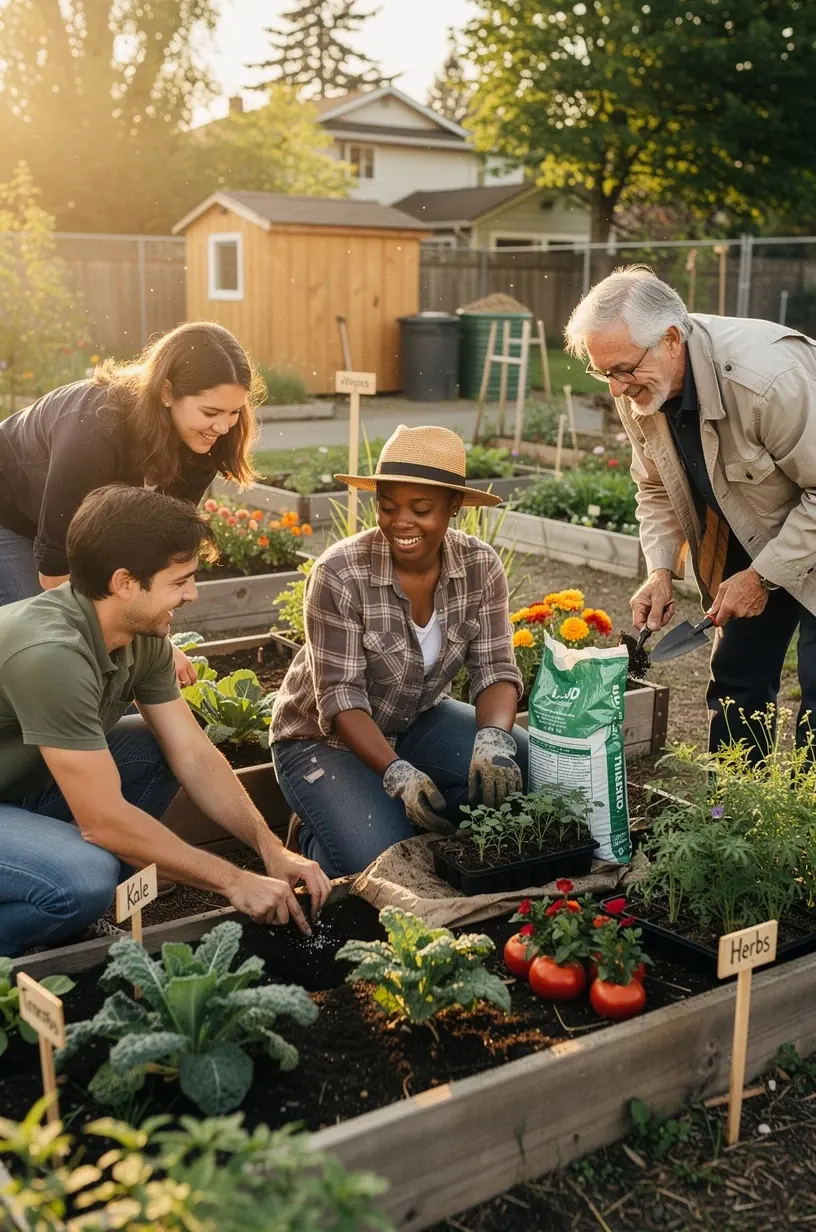
"Cultural hubs not only foster community engagement but also offer visitors an immersive experience that goes beyond traditional sightseeing." - Cultural Studies Expert
The Importance of Community Engagement
Many travelers seek authentic experiences that allow them to engage with local culture. Cultural hubs often serve as the epicenter of such engagement by:
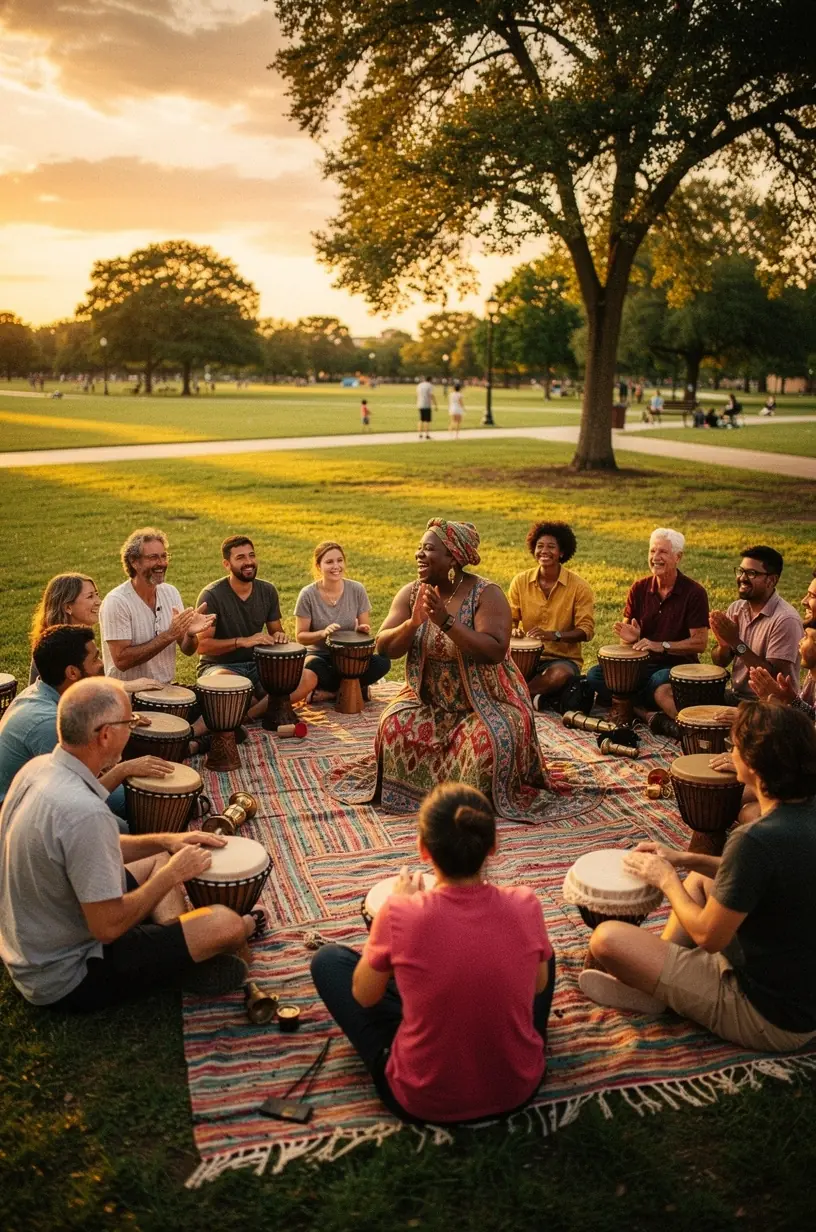
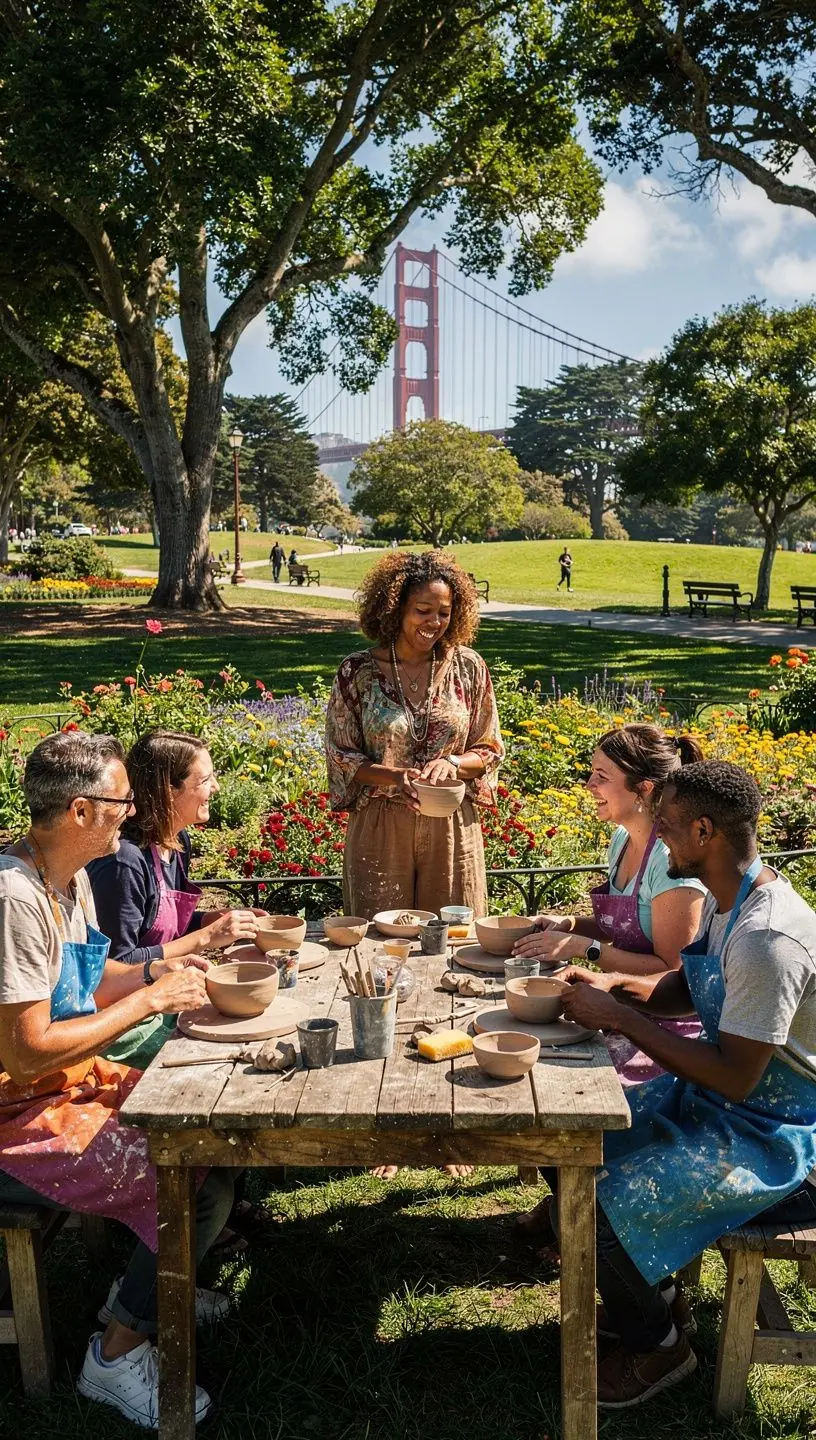
- Facilitating Workshops: Participants can learn traditional crafts, cooking, or dance, which helps to preserve local heritage.
- Offering Guided Tours: Local guides provide insights into the history and significance of cultural landmarks, enriching the visitor's understanding.
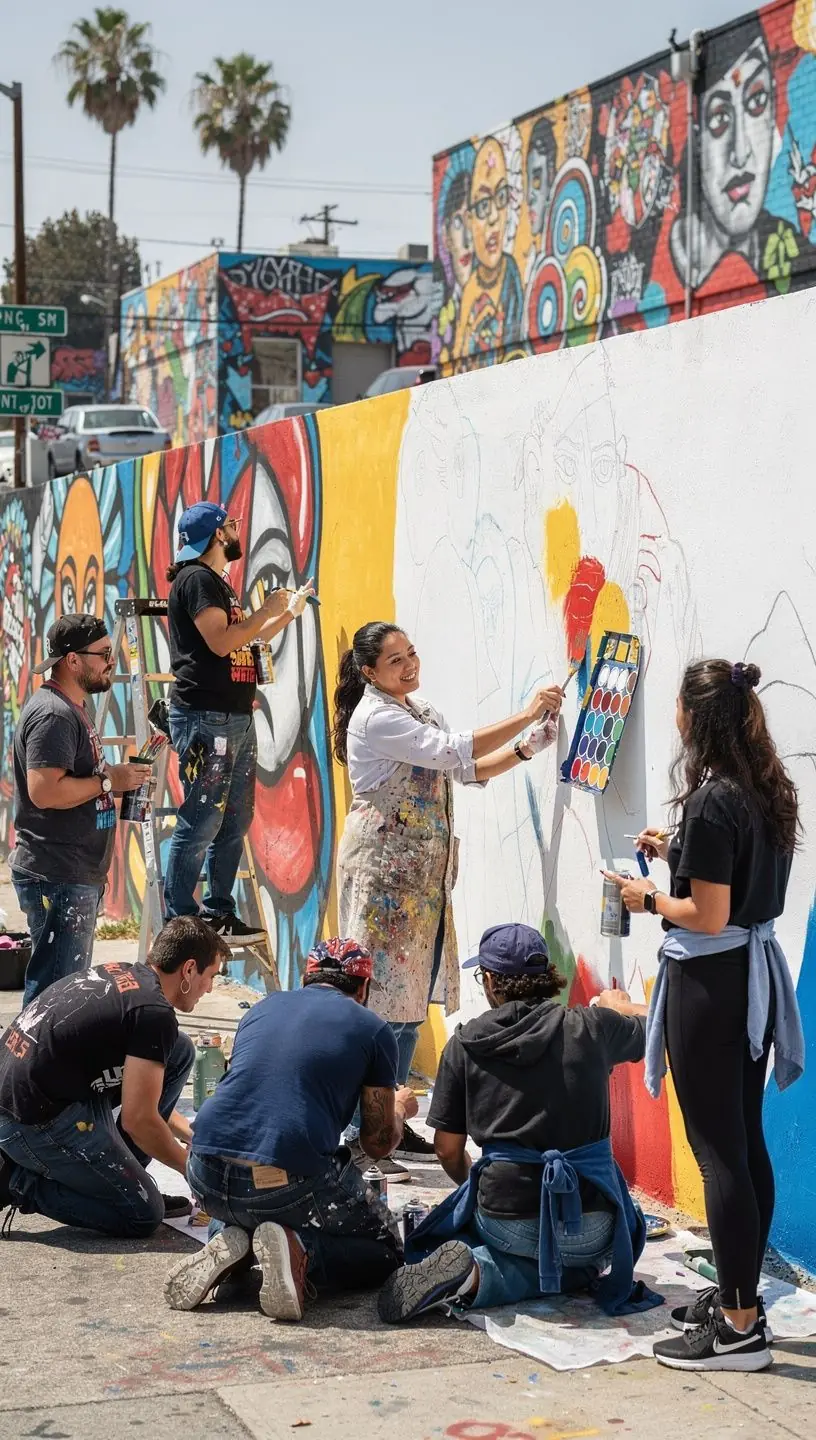
- Promoting Community Events: Festivals and local gatherings create opportunities for visitors to interact with residents, fostering a sense of belonging.
How Cultural Hubs Enhance Travel Experiences
Travelers frequently report a more enjoyable experience when they participate in community-based activities. This is supported by studies indicating that visitors who engage with local culture typically return home with a deeper appreciation for the places they have visited. The reasons for this include:
- Personal Connection: Engaging with locals can create memorable interactions that differ from conventional tourist experiences.
- Understanding Context: Learning about cultural practices helps travelers comprehend the broader societal values and history of a destination.
- Support for Local Economies: By participating in workshops or buying crafts, travelers contribute to the local economy, fostering sustainable tourism practices.
Challenges and Considerations
While cultural hubs offer many benefits, there are challenges to consider:
- Time Commitment: Participating in workshops or community events may require a significant time investment, often taking a few hours or even days.
- Learning Curve: Some activities may involve skills that require practice, which can be intimidating for some travelers.
- Varied Access: Not all cultural hubs may be accessible to everyone, depending on location, availability of guides, or language barriers.
Conclusion
Cultural hubs serve as essential platforms for enriching travel experiences through community engagement, workshops, and local tours. By understanding and participating in these cultural exchanges, travelers can enhance their journey and contribute positively to the communities they visit. Such engagement not only supports local economies but also fosters a lasting appreciation for diverse cultures and traditions.
Learn More