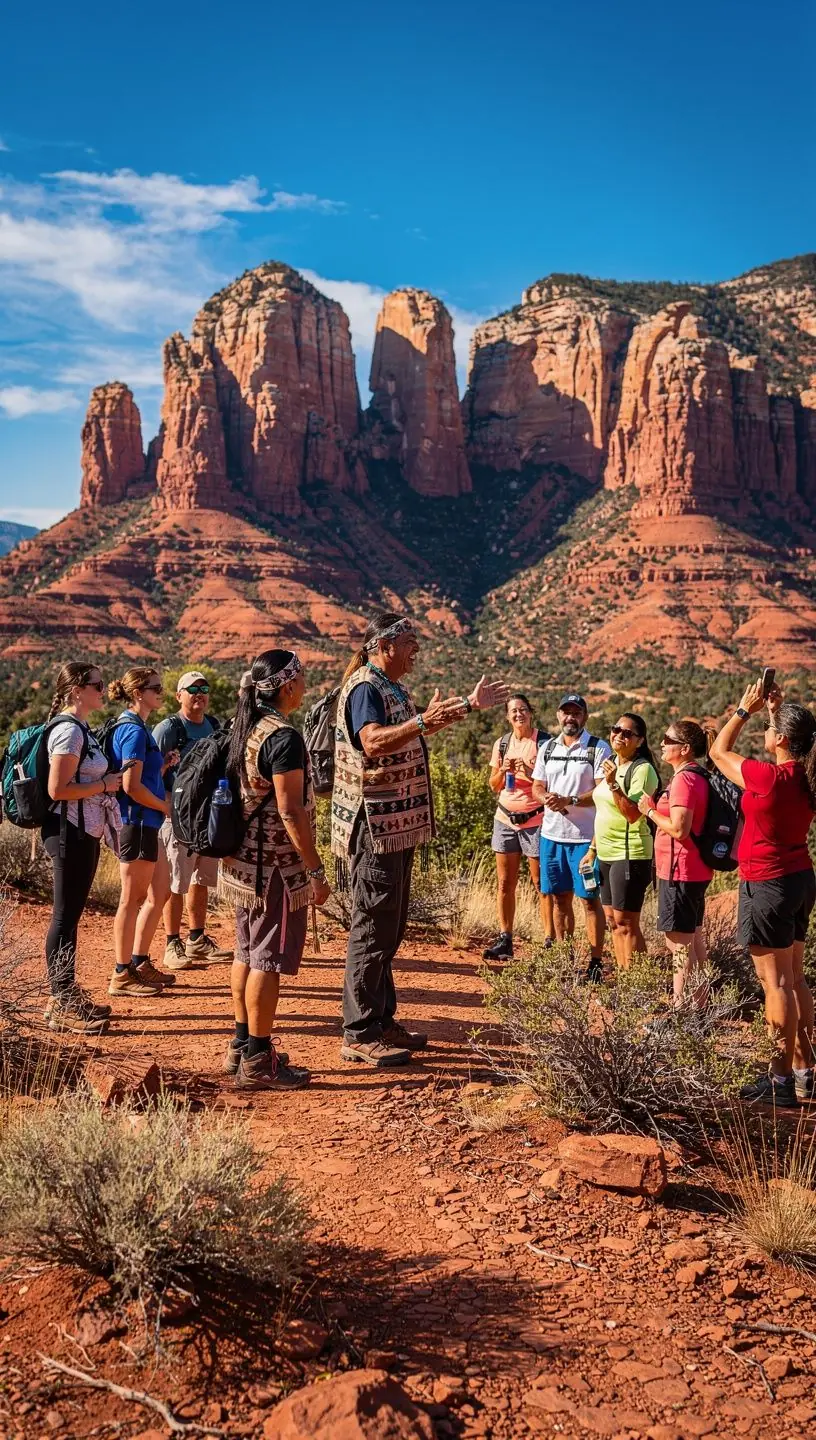
Engaging with Nature: Ecological Workshops for Travelers
As travelers increasingly seek meaningful experiences, ecological workshops provide opportunities to connect with nature while learning valuable skills. These communal activities can enhance understanding of local ecosystems, promote sustainability, and foster a deeper appreciation of the environment.
Understanding the Basics of Ecological Workshops
Ecological workshops typically focus on hands-on activities that immerse participants in the natural world. According to studies conducted by environmental education organizations, engaging directly with nature can lead to significant improvements in environmental literacy and stewardship. Experts recommend that such workshops incorporate local flora and fauna to create a relevant and impactful learning experience.

"Nature-based education has been shown to increase environmental awareness and encourage sustainable practices among participants." - Environmental Education Research Journal
Types of Ecological Workshops
Travelers can find a variety of ecological workshops across the United States, each designed to cater to different interests and skill levels. Here are a few popular types:
- Wildlife Conservation Workshops: These sessions typically involve fieldwork, such as tracking animal populations or monitoring habitats, which can help participants understand conservation efforts better.
- Sustainable Gardening and Farming: Workshops often teach participants how to cultivate native plants or practice permaculture, integrating ecological principles into food production.
- Nature Photography Tours: Focused on capturing the beauty of natural landscapes, these workshops often incorporate discussions about the ecological significance of the locations being photographed.
How and Why They Work
Engagement in these workshops often involves a combination of learning, hands-on practice, and community interaction. This format is effective because:
- Active participation enhances retention of information. Research indicates that experiential learning can increase knowledge retention rates by 75% compared to traditional classroom settings.
- Participants often report a sense of belonging and community, which can motivate them to adopt sustainable practices in their everyday lives.
- Interactions with local experts provide valuable insights and contextual knowledge that enrich the learning experience.
Time Commitment and Suitability
Most ecological workshops require a commitment ranging from a few hours to several days. For instance, a sustainable gardening workshop may typically last one or two days, while wildlife conservation activities may span a week or more. It's important to acknowledge that participants will need to be prepared for varying levels of physical activity and learning curves. These workshops are often best suited for individuals who have a genuine interest in ecology and are willing to engage actively with their surroundings.
Conclusion
Ecological workshops provide travelers with unique opportunities to engage with nature, learn sustainable practices, and connect with like-minded individuals. By participating in these workshops, individuals can not only enhance their understanding of local ecosystems but also contribute to the preservation of these environments. As the demand for authentic travel experiences grows, ecological workshops represent a meaningful way to promote environmental stewardship and appreciation.